| Q: Can you tell us what the Disney+ original series The Murky Stream is about? |
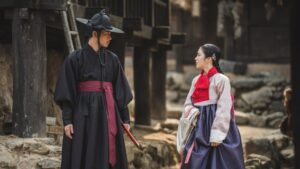
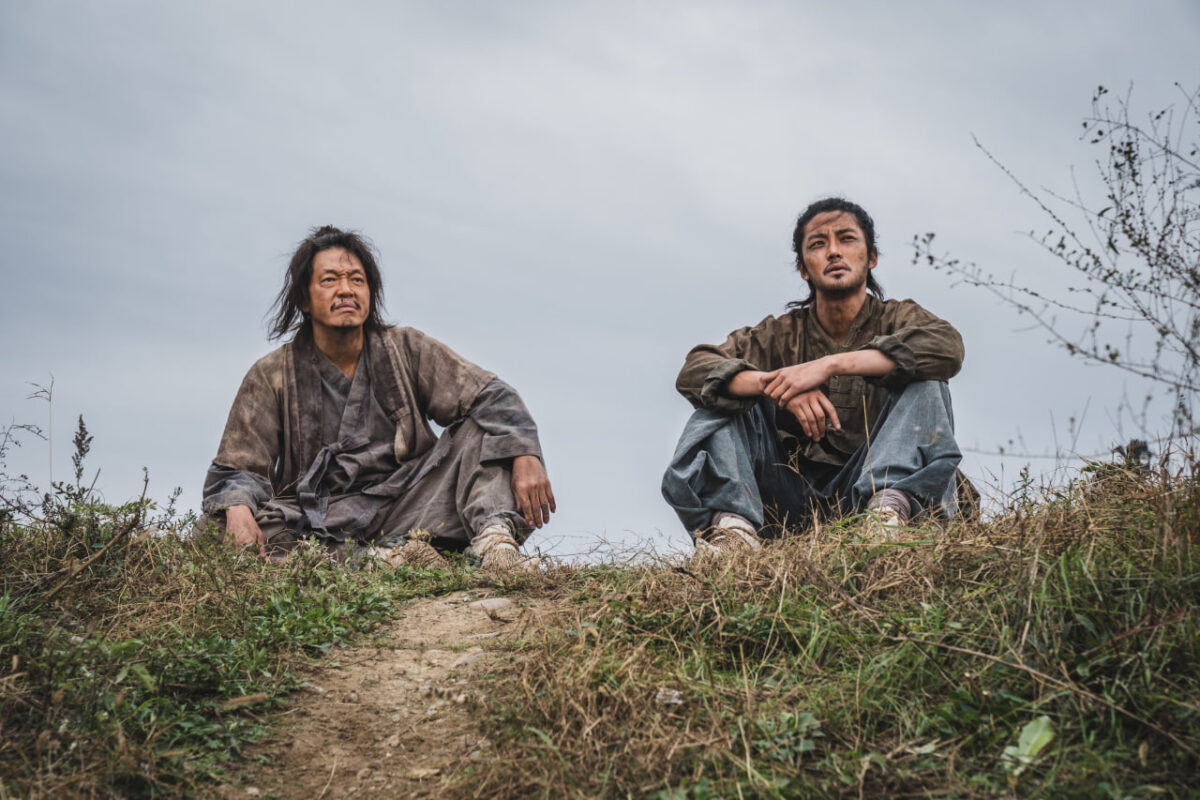
| A: It’s a story set in the middle of the Joseon Dynasty, in the leadup to the Japanese invasions of Korea, and follows the lives of ordinary people struggling to survive in a country in a dire situation. Its main setting is Maponaru, a riverside hub where lower classes outside the aristocracy fight to survive. |
| Q: This is your first time directing a series. How did you take on this project as the director? |
| A: I’ve always been intrigued by period dramas, but what struck me about this project was that, unlike other period dramas about royalty or aristocrats, it was centered around the lives of the lower classes. I found that fascinating, which is why I decided to take on the project. |
| Q: There are several keywords that stand out about The Murky Stream, but let us begin with the bandits. As central subject matters of the series, what do they represent in the story? |
| A: One of the greatest strengths of The Murky Stream is that it tells a story about the lower classes. As I mentioned earlier, while numerous period dramas have focused on the lives of aristocrats or the elite, this series fascinated me with its focus on the lower classes. The bandits, in particular, sit at the very bottom of the social hierarchy—the true grassroots. As far as I know, the Korean term mincho is short for a word that refers to ordinary people who are like wild grass, and the bandits are the group of people who represent the lives of these grassroots people. So, what was the most interesting aspect of the story was that it unfolded in their world. |
| Q: Are there any other keywords that you would like audiences around the world to think about when they watch The Murky Stream? |
| A: Given how K-culture is now captivating many people around the world, I’m sure a lot of viewers are familiar with “gat,” the Korean traditional hats, old Korean palaces, or the traditional tile-roofed houses often seen in period dramas. But I don’t think international audiences are familiar with what everyday life was like for ordinary people in the middle of the Joseon Dynasty. I hope this series will help viewers experience that. Growing up, what fascinated me about Japanese films was that they often portrayed samurai or the lives of the lower classes. In the same way, I hope that this series will offer audiences a glimpse into the life of ordinary people—showing that, while at the bottom of the social hierarchy was difficult, there were many fascinating aspects to these lives. I think it will be an enjoyable experience. |
| Q: As you mentioned, Rowoon also shared how much he loved letting go of the need to look handsome. What was the most memorable moment for you when working with him? |
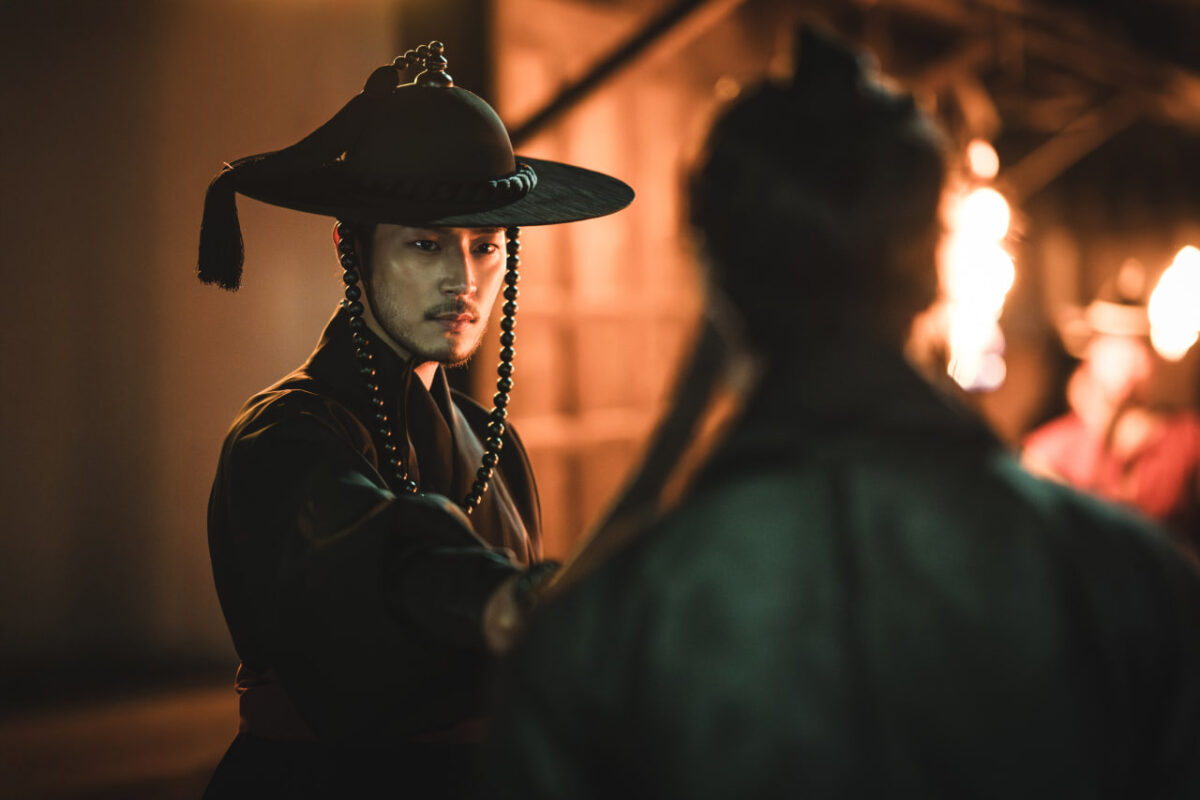
| A: Rowoon gave his all in every scene. I don’t think he ever once said “yes” when I asked him if he wanted to stop—he would always say that he wanted to try again. I have countless memories with him, but I particularly remember the last action scene we filmed. It was a scene where Siyul battles the ultimate villain Wang Hae, and the moment I called “Cut!” to wrap up the scene, I think he actually threw up. I could see how dedicated he was, which I really loved about him. I could see how much of himself he was willing to pour into each scene. He worked incredibly hard. |
| Q: I was struck by the transformation of Choi Eun, who starts off as a cheerful, mischievous girl in episode 1 but grows into a resilient person, reminiscent of the epic novel Land. Was there any memorable moment working with Shin Yeeun? |
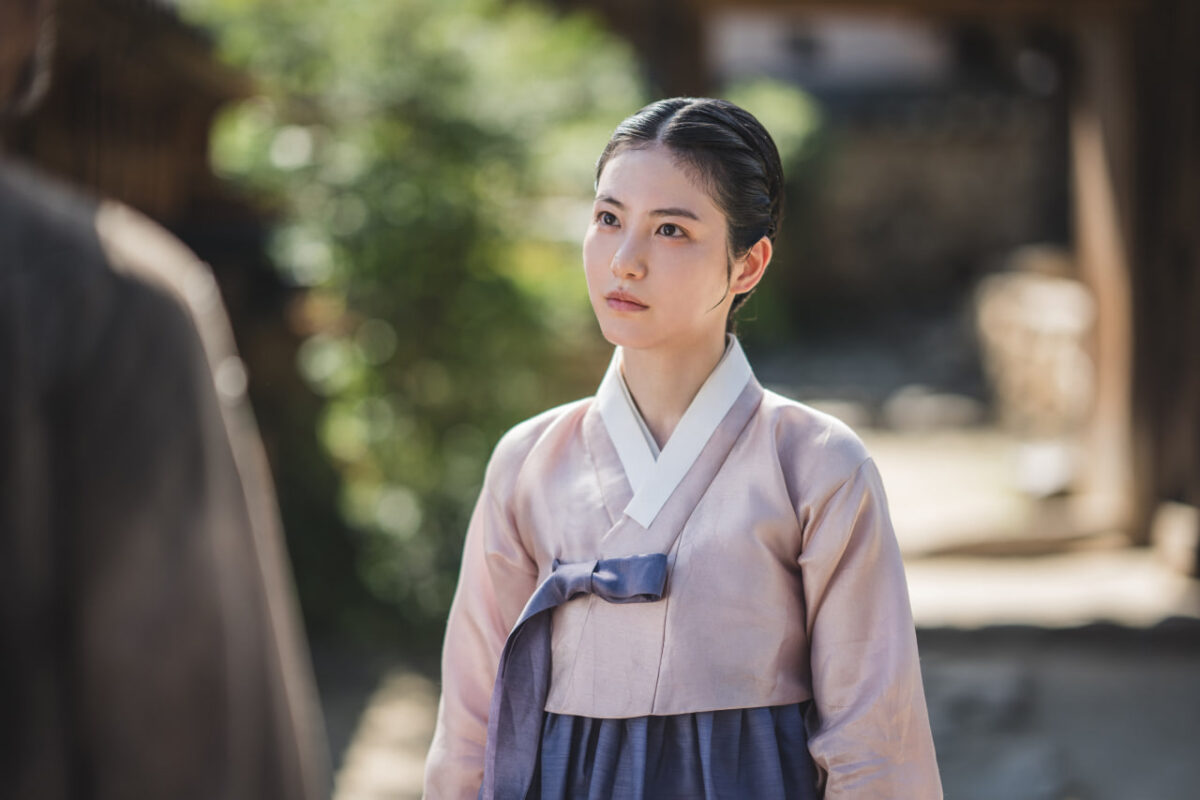
| A: I don’t think Yeeun resembles her character Choi Eun in any way. Based on my interactions with Yeeun, she is a much more positive, high-spirited, and modern young woman compared to Choi Eun. In contrast, Choi Eun gradually becomes more serious as she undergoes hardships in her life. When we first discussed how Yeeun was going to portray this personality of her character, I wasn’t sure if she would be able to pull it off. Most of her previous roles seemed quite different from Choi Eun as well. But in the end, I was convinced that Yeeun would grow into a great actor as I witnessed her successfully bringing much of her character to life through hard work. Watching her work, I came to believe that, while she may still have room to grow as an actor, she will one day become a truly great one. |
| Q: What did you talk about the most with actor Park Seoham, who played Jung Chun? |
| A: Seoham didn’t have much prior acting experience. Naturally, I spent more time talking with him about how to analyze the story and his character. It was also why I asked him to arrive on the set a little earlier once filming started so we could have one-on-one discussions. He adapted fairly quickly to the whole process. As production continued, he wanted to do better, which helped him gradually improve. |
| Q: I’m sure that many viewers will particularly relate to the three main characters. It seems that there are many aspects that would resonate with young audiences. What about each of these characters would you like audiences to pay attention to? |
| A: I think the characters in this series are quite different from other TV series about youth. They have more depth and more to navigate, which I think should be a good experience for viewers. There are many young, beautiful, and handsome stars audiences are used to seeing in typical TV series, but I think it will be interesting for audiences to see actors who devote so much care to the portrayal of their characters and work hard to add nuance to their characters—and to see how those efforts pay off in a series. |
| Q: In addition to the incredibly well-known actors, you also worked with a veteran production team. How did you assemble such an experienced crew? |
| A: Many of the crew members have long careers in the industry. The director of photography, for example, worked on some of the most popular Korean series, including When Life Gives You Tangerines, My Mister— the one he is particularly well-known for—and Itaewon Class. For costume, hair, and makeup, I worked with the same teams on Masquerade, and these teams practically work on all the period dramas in Korea. In fact, most of the crew for this series were people I had collaborated with before this project. The director of photography, in particular, worked with me on Late Blossom 10 years ago. Same goes for the teams that worked on Masquerade. What mattered to me the most was precisely that: I knew I would be spending eight months working with this crew, and I needed a team that I could rely on—a crew with a proven track record. The priority was not simply to recruit the best people, but people who could trust me and vice versa. Of course, professional competence was the baseline. I had those criteria to select members of the crew. |
| Q: I would like to turn to the production design and set pieces. The spaces that seemed to have accurately recreated the period of the story was striking. In particular, creating an authentic set for the Gyeonggang ferry landing must have been crucial. What concept did you have in mind to guide the production design? |
| A: There were few historical visual references for a ferry landing—apart from a handful of drawings, we had no photograph to rely on. In that sense, production design for the series felt almost like designing an imaginary space for a sci-fi series. Another challenge was water; once water comes into play in production design, everything becomes so much more difficult. We put a lot of thought into how to integrate this imagined space with the element of water. This required our production crew to travel across the country to scout locations, but the country now being in its modernized state, it was incredibly challenging to find the right site. After surveying several locations, we decided on a branch of the Nakdong River in Sangju as the most suitable spot and to build the ferry landing set there. Within the boundaries of what the actual site permitted, we constructed the set and several ferries—I think we built about four ferries in total. The landing set was built on site, while the rest of the space was expanded digitally with CGI. Most of the riverside locations where we could potentially build a ferry landing set didn’t have any hills or natural elements that would provide visual variety, but for the landing we envisioned, having trees and hills surrounding it was crucial. The production designer and the team poured a great deal of effort into crafting the landscape. We brought in soil to raise the land about two meters to plant trees and build the set on top of it— this is how we completed building the set. |
| Q: heard that you went through many test concepts for costume as well as hair and makeup. What was the intention behind the looks for the bandits, members of the Choi family trading house, and military officers, and what looks did you want to achieve for each of these groups? |
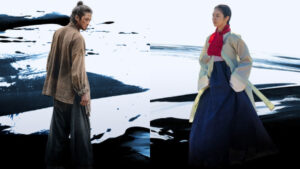
| A: When we were researching historical data, the only photo references available were a handful taken by foreign missionaries during the later years of the Joseon Dynasty. One of the most distinct traits that stood out from these photos was the variety of hairstyles displayed in the photos. Period dramas often portray hair simply tied back with a single ribbon, but the people featured in these photos were hats, towels, and ribbons on their head. I discussed this with the heads of costume as well as hair and makeup teams, emphasizing that these details should be what sets our series apart—that no two characters should look the same. As you will see with the bandits in the series, they each have a distinct hairstyle and wear something different on their head. This variety was particularly important because this series features many upperbody shots that are critical, and hairstyles were a major visual element in these—which is why we decided to differentiate the hairstyles from other period dramas. |
| Q: Last but not least, could you please summarize The Murky Stream? |
| A: I would say The Murky Stream represents the tenacity of life. Every character in the series is fighting to survive. Today, we take life as it is for granted, seeking pleasures and joy through various hobbies, but for people in the era of the series, mere survival was the ultimate goal. Given that knowledge, I didn’t judge characters’ behaviors harshly or their decisions to do bad things or steal from each other. In fact, I thought that, in a life-ordeath situation, such actions may have been the only choice available. That’s why I believe that this series is about the tenacity of life. |
Stream The Murky Stream from September 26, only on Disney+.