
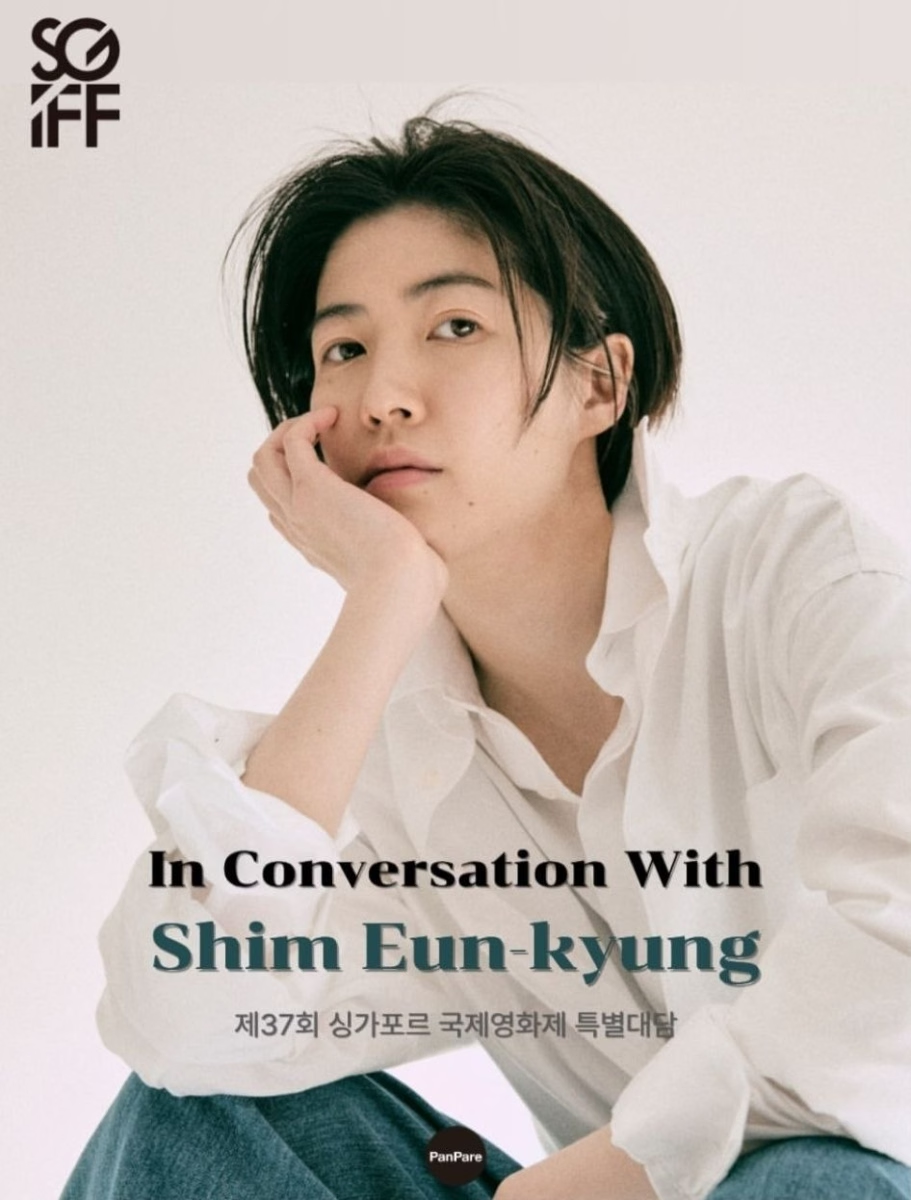
With a career spanning South Korean and Japanese cinema, Shim Eun-kyung has established herself as an actor unafraid to cross borders and explore new creative possibilities. She began acting at the age of nine, becoming one of South Korean television’s most prominent child actors, and won Best Actress at the Baeksang Arts Awards for her starring role in Miss Granny (2014). After expanding her career into Japanese cinema, she made history as the first Korean actor to win Best Actress at the Japan Academy Film Prize for The Journalist (2019).
At the 37th Singapore International Film Festival, audiences had a rare opportunity to get to know Shim beyond her screen roles. Held from October 21 to November 1, 2026, the festival was Singapore’s longest-running film festival and a prominent showcase for Asian cinema. On October 22, at the National Museum of Singapore, In Conversation With Shim Eun-kyung offered an exclusive opportunity to hear directly from the actor about her journey from child star to internationally recognised performer, the experiences that shaped her craft, and the choices that have shaped her career.
| Q: You started acting at a very young age. Was acting something you actively pursued, or was it something you gradually grew into? |
| Shim Eun-kyung: I started acting when I was 10 years old. I was a very introverted and quiet child, so my parents were concerned about me. They sent me to acting school in the hope that it would help me become more expressive, and that was how I started acting. |
| Q: At that age, were you aware of the stories you were telling and the emotions you were portraying, or were you responding instinctively to what was happening around you? |
| Shim Eun-kyung: There were definitely limitations to my understanding of the scripts because I was so young. The adults around me, including the directors and other actors on set, would go through the scripts with me and explain them. I would share my first impressions, and they would point out anything I might have missed. Since I often went everywhere with my mother, she also helped me understand the scripts. I think there is a difference between then and now. Back then, my acting was more instinctive, whereas now I can understand the scripts better. It is a different kind of acting. |
| Q: How important was it for you to have a life outside acting while growing up? You moved to the US to study. Did studying there give you a sense of normalcy? Was it difficult to balance both worlds? |
| Shim Eun-kyung: I decided to study abroad because, while working actively as a child actor, I realised that acting is not the only thing that matters in life. There are certain experiences you can only have as a teenager. I discussed it with my parents, and we decided that I would go abroad. At the time, I couldn’t speak English at all, but I decided to go anyway. Looking back, I think those experiences have helped me in my acting career because they continue to inspire and motivate me. Beyond the difficulties of balancing life as an actress and a student, what mattered most to me was gaining experience and broadening my horizons. I feel that those experiences laid the foundation for my growth. Even now, I have no regrets. I was quite bold in my decision-making. |
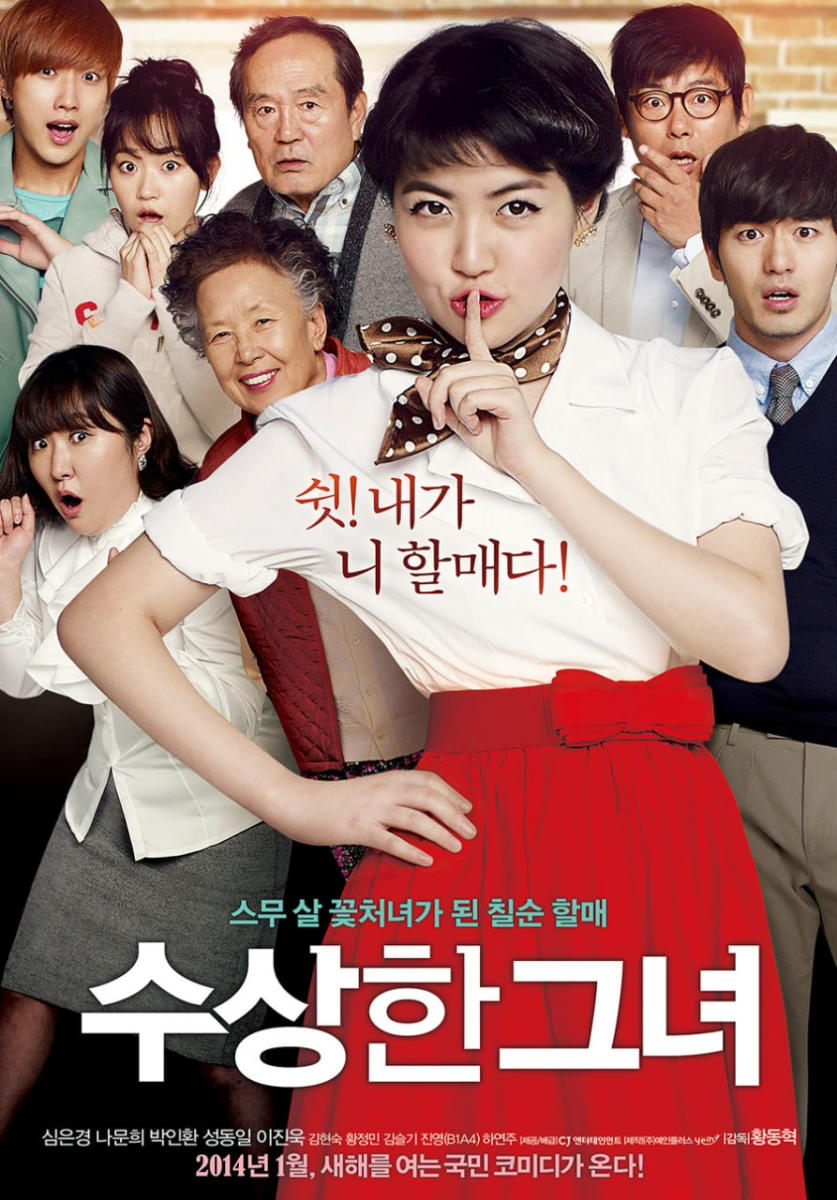
| Q: Miss Granny has such a fascinating premise. You play a young woman who takes on the appearance of someone much older, with a whole lifetime of experiences behind her. How did you approach the character, particularly her physicality and mannerisms? |
| Shim Eun-kyung: I’m not really sure myself. If you asked me to play the same role again, I don’t think I could do it. When I was discussing the film with the director, I practised at home, trying to speak like a grandmother. But when I showed him what I had prepared, he suggested that we not practise at all. My character speaks in a Korean dialect, and he suggested combining the dialect with the way a grandmother speaks. We then worked through it together in conversation. His approach made me more comfortable playing the role. For a particular scene, I drew on hints of my own mother. I had never raised a child before, and I wasn’t sure how to approach it. Being nosy isn’t in my nature either, so I felt embarrassed talking about other people’s breasts. I asked my mother to explain why someone might say such things, and that helped me understand the context. She also taught me how to hold a child. Through that, I learned the nuances of the character. |
| Q: What drew you to Japanese cinema? Was it a conscious decision to seek out new experiences? |
| Shim Eun-kyung: I didn’t have any grand goal of going to Japan. I’ve loved Japanese culture since I was young. In fact, I was more interested in making music in Japan than acting. I loved rock bands such as X Japan and would watch clips of their concerts, wondering whether I could perform at the Tokyo Dome one day, too. I was really into rock music back then, and I think that’s why I wanted to form a rock band. |
| Q: You mentioned earlier that you learned Japanese for the film. Did you speak Japanese before working on The Journalist? |
| Shim Eun-kyung: I started learning Japanese in Japan while filming the movie, so I wasn’t fluent. You can imagine that I relied more on memorising the script than on fully understanding it. |
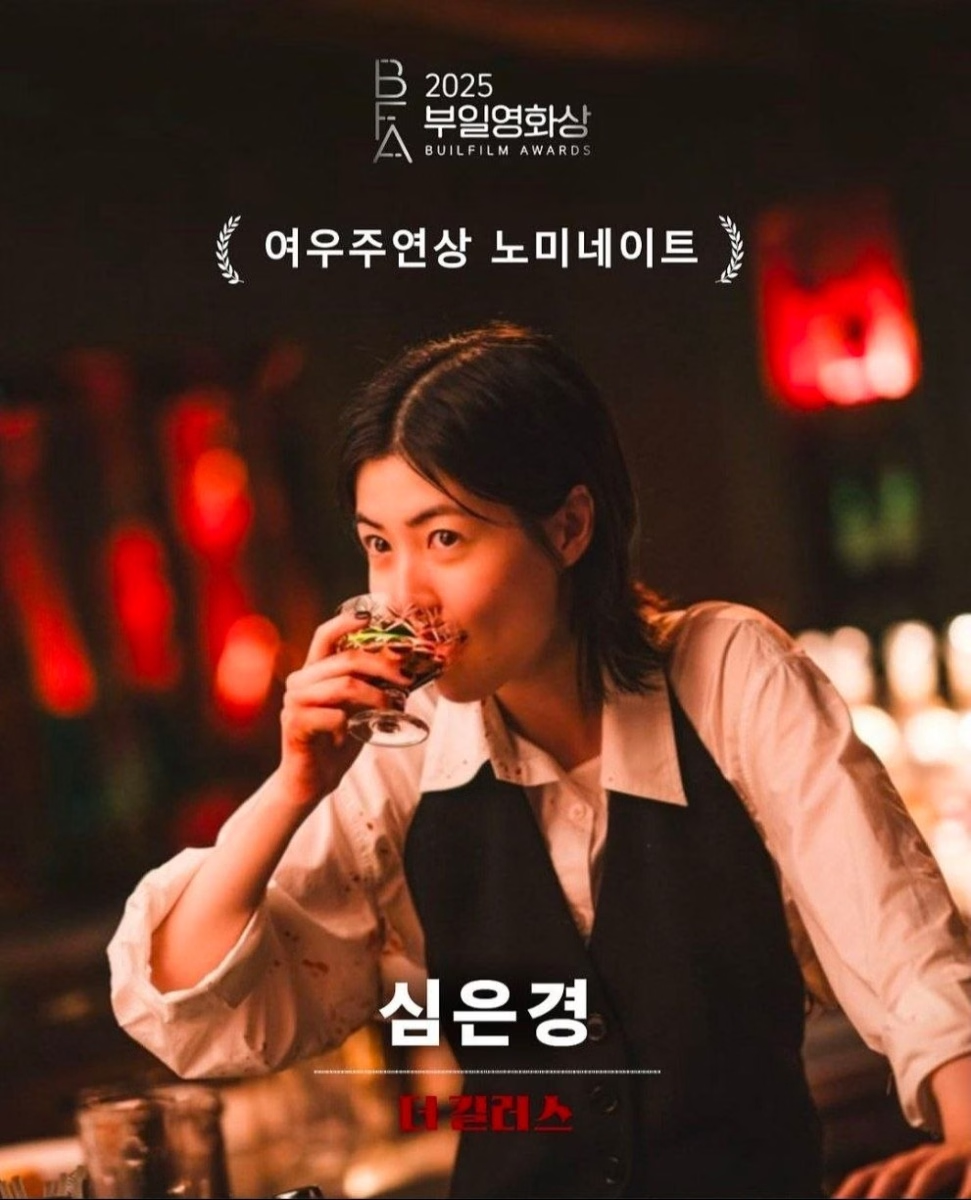
| Q: You starred in The Killers (2024), an omnibus film featuring four stories by four different directors. Can you tell us a little about the film? |
| Shim Eun-kyung: The Killers is an omnibus film comprising four films in different genres, all connected by the theme of killers. The film brings together the ideas of the four directors. When I received the script, I found it very interesting. I felt that an opportunity like this might not come again, so I decided to accept the role. In the film, I played a vampire, appeared as a hostage, and even appeared only in a photograph. I also acted in a black-and-white film. I think having the opportunity to work across a variety of genres is very important for an actor. As a film fan myself, I was excited for audiences to see such an interesting film. |
| Q: Are you drawn to particular kinds of stories, characters or directors? What kinds of projects are you looking for today? |
| Shim Eun-kyung: The most important thing is how I feel when I read a script. I want to feel that I really want to play the character, or that I strongly agree with the message and want to bring it to the audience. Recently, I’ve come to value a character’s independence. I look at how much the character acts according to their own will and thoughts within the story. |
| Q: If you could meet your younger self, before she first stepped onto a film or television set, what would you tell her? |
| Shim Eun-kyung: I’m not really sure what I would say. Looking back, I sometimes think I was better at acting back then. *laughs* There isn’t anything specific I want to tell her because, even if I explained it to her many times, she wouldn’t understand. So I would simply tell her to experience things, allow herself to be broken and come back again, and experience as much as she can. |
Thank you to the 37th Singapore International Film Festival for having KAvenyou for “In Conversation With Shim Eun-kyung“!
Picture credits: panpare2022/Instagram
